Balanced nutrition
Understand food groups, portions and meal composition without calorie obsession or restrictive templates.
Balanced Harvest turns nutrition science into practical choices for real UK households. Explore balanced meals, seasonal British produce, sensible weight management, sports nutrition and time-saving meal planning without rigid rules or unrealistic promises.
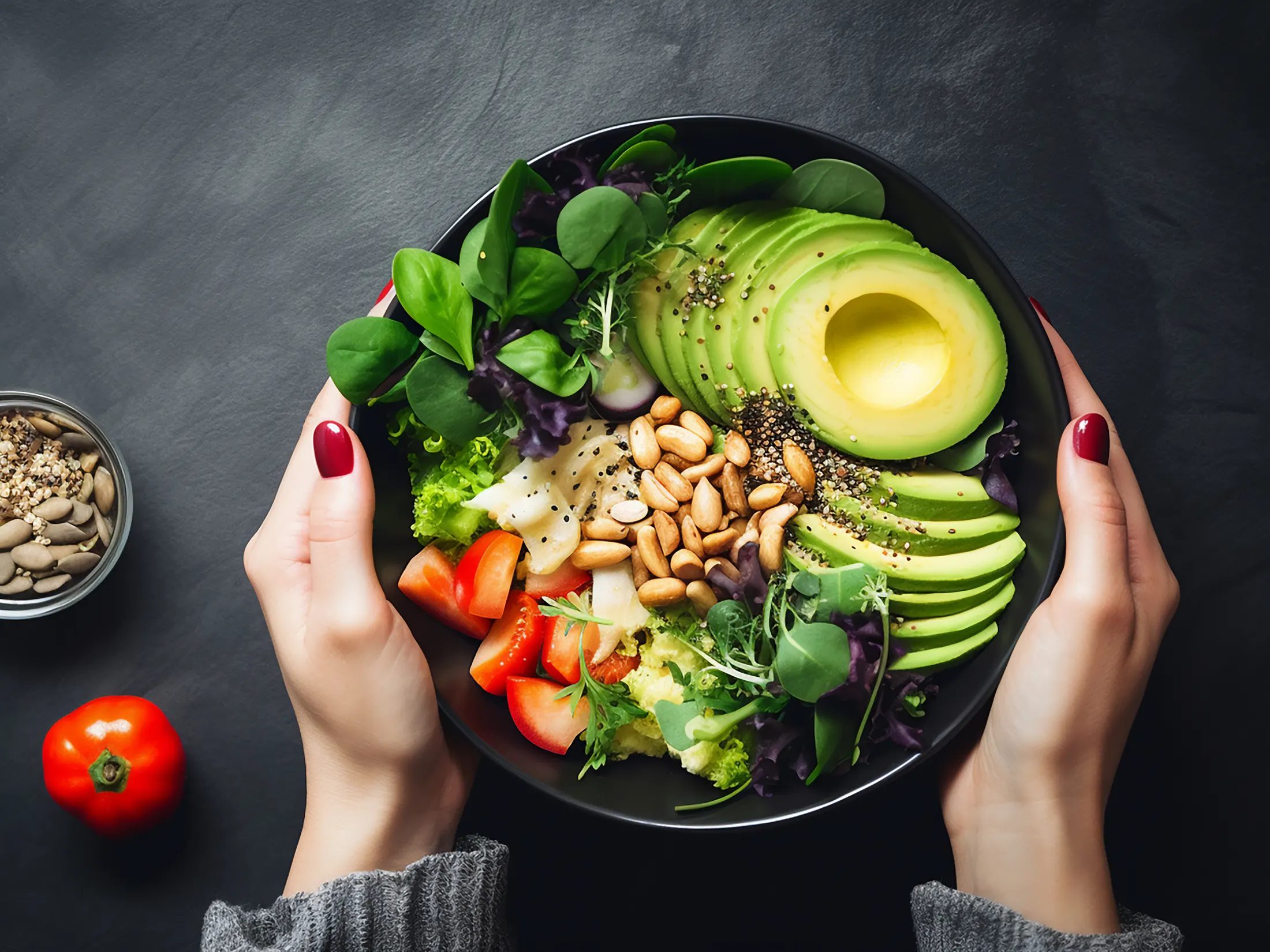
This week’s focus
Build lunch around vegetables, protein and wholegrain carbohydrates.
Guidance shaped by recognised public-health principles
The everyday challenge
Busy schedules, conflicting headlines, convenience food and all-or-nothing diet culture can make normal meals feel complicated. Many people know the broad advice but struggle to translate it into a shopping list, a packed lunch or a post-workout dinner.
Nutrition messages change quickly online and can lack context.
Meal decisions are often made when energy and time are already low.
Perfect plans are difficult to sustain and can crowd out progress.
It is easy to focus on one nutrient while missing the full meal pattern.
Our practical solution
We organise guidance around repeatable actions: balance your plate, include colourful produce, choose satisfying protein, plan a few flexible meals and adapt portions to your activity. The aim is not to label foods as good or bad. It is to make nutritious choices more available, enjoyable and realistic.

Our philosophy
Balanced Harvest was created in Manchester to help readers move beyond short-lived nutrition trends. Our editorial approach values clarity, moderation and cultural flexibility. We explain why a habit may help, show how to apply it and acknowledge when personal needs require professional support.
We believe a healthy pattern can include comforting family recipes, convenience ingredients, restaurant meals and treats. The wider pattern matters more than one day. That perspective makes room for consistency, social connection and enjoyment alongside nutritional quality.
Read our editorial principlesWhat you can explore
Each pillar connects food knowledge with realistic decisions at the supermarket, in the kitchen and around an active week.
Understand food groups, portions and meal composition without calorie obsession or restrictive templates.
Use seasonal produce, frozen options and varied colours to add fibre, flavour and useful nutrients.
Create flexible menus, efficient shopping lists and reliable fallback meals for busy days.
Focus on sustainable routines, satisfying meals, sleep, movement and self-monitoring rather than quick fixes.
Support regular movement with practical fuel, hydration and recovery habits suited to ordinary schedules.
Learn the role of carbohydrates, protein timing and fluids for recreational training and fitness goals.

Benefits of a flexible approach
A simple plate framework helps you combine vegetables, protein, higher-fibre carbohydrates and flavour without needing a new recipe every day.
Planning around a few versatile ingredients reduces duplicate purchases and makes it easier to use food before it spoils.
Regular meals, useful snacks and adequate hydration can support energy and recovery without turning every meal into a performance calculation.
A repeatable process
Start small and keep the system visible. One useful routine is more valuable than a complicated plan you cannot repeat.
Select breakfast, lunch and dinner ideas that fit your schedule and use overlapping ingredients.
Cook a grain, wash produce, prepare a protein and mix one dressing so meals remain adaptable.
Notice whether meals are satisfying and practical, then adjust portions or timing rather than abandoning the plan.
Save reliable combinations and gradually add variety through seasonal produce, spices and new recipes.
Reader perspectives
These illustrative reader stories show the kinds of practical outcomes our educational approach is designed to support. They are not medical claims or guaranteed results.
“The plate framework helped me stop overthinking weekday lunches. I now keep two proteins, chopped vegetables and a grain ready, then vary the flavours.”
“I run several times a week and used to arrive home ravenous. Planning a snack and an easy recovery meal made the routine feel much more manageable.”
“Seasonal shopping gave our family more variety without increasing the budget. The biggest difference was choosing a few flexible recipes instead of seven unrelated dinners.”
Nutrition expertise in context
Healthy eating is not a single ingredient, supplement or meal. It is the pattern created by food variety, portion balance, regularity, hydration and the wider conditions that influence appetite and energy. Sleep, stress, movement, cooking confidence and access to food all shape what is realistic.
Our content therefore connects nutrition basics with behaviour. A guide to fibre also explains how to increase it gradually and drink enough fluid. A sports nutrition article considers training duration and personal tolerance. A weight-management article emphasises sustainable habits and encourages professional support when individual health needs are involved.
This joined-up approach is especially useful in the UK, where seasonal availability, work patterns, cultural food traditions and household budgets vary widely. We offer adaptable frameworks rather than a universal menu.
Weekly lead magnet
Receive a five-meal planning template, one seasonal produce idea and a practical active-living prompt. No rigid plans, sales pressure or medical promises.
Frequently asked questions
No. Balanced Harvest is an educational lifestyle and nutrition website. Our articles provide general information and practical ideas, but they do not diagnose conditions, prescribe diets or replace individual advice from a GP, registered dietitian or other qualified professional.
Not necessarily. Many readers benefit from starting with meal structure, food variety, fibre, protein, hydration and regular eating patterns. Some people may use calorie information for a defined purpose, but it is only one tool and is not suitable or necessary for everyone.
Our recipes are designed around balanced ingredients and practical portions, but no recipe guarantees weight loss. Body weight is influenced by many factors, and individual needs differ. Our weight-management content focuses on sustainable routines and encourages professional support where appropriate.
We focus on recreational and fitness-oriented principles such as fuelling before activity, hydration, carbohydrate availability, protein distribution and recovery meals. Competitive athletes or people with medical needs should seek personalised advice from a suitably qualified sports dietitian.
General articles cannot account for allergies, medication, pregnancy, digestive conditions, diabetes, kidney disease or other individual circumstances. Always adapt recipes carefully and consult an appropriate healthcare professional before making significant dietary changes.
All materials are provided for informational and educational purposes only. They do not constitute individual nutrition, medical, fitness or weight-management recommendations, and no outcome is guaranteed. Decisions based on the content remain the reader’s responsibility.
Questions or collaboration
Contact our Manchester team about editorial feedback, community education, content partnerships or accessibility questions.